Viper
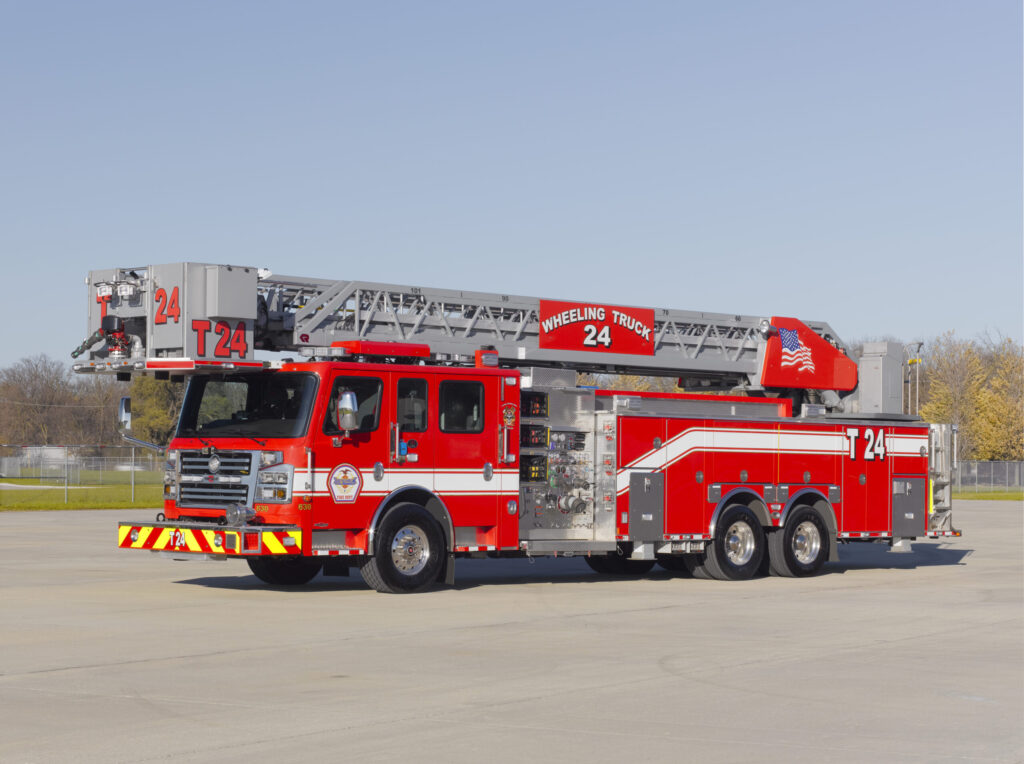
60–125 ft · tip 500/750 lb · waterway to 1,500 GPM
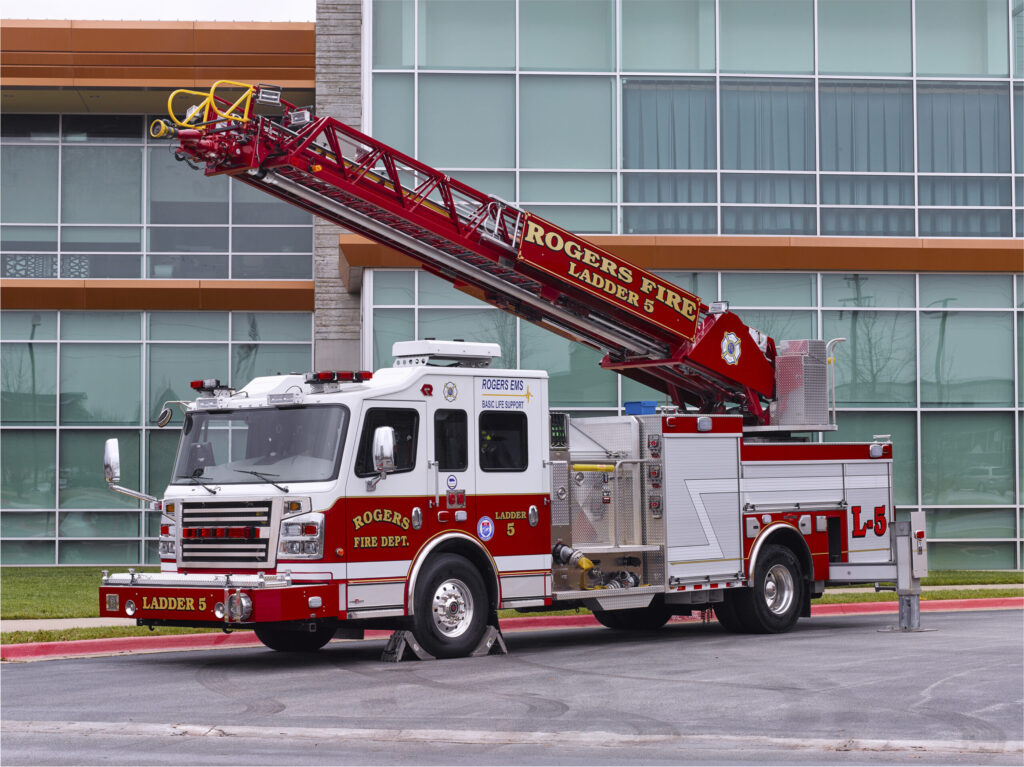
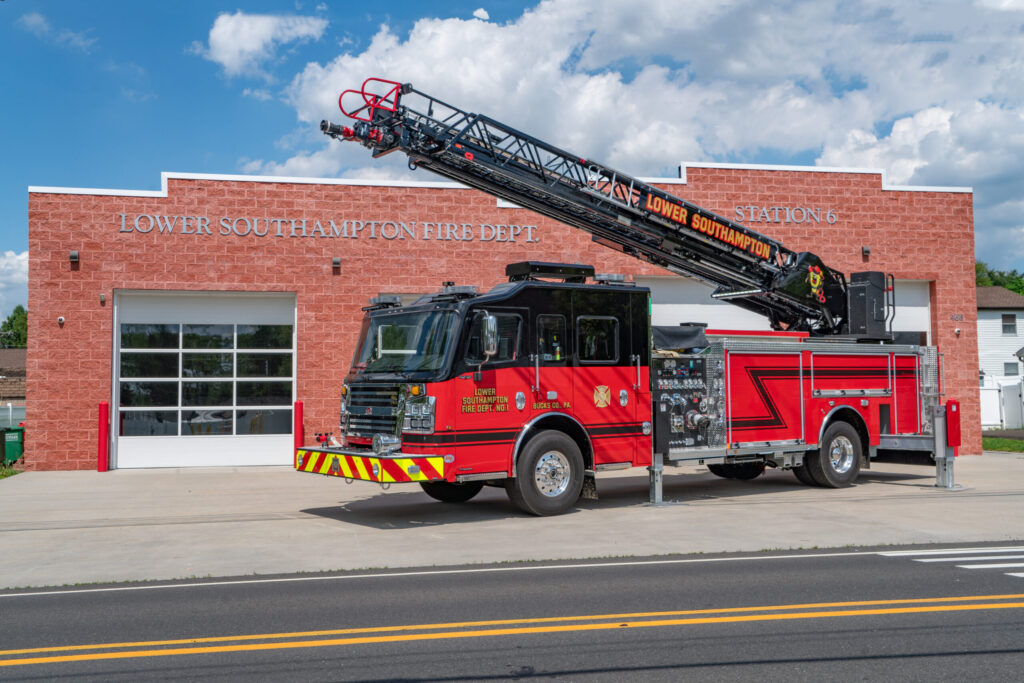
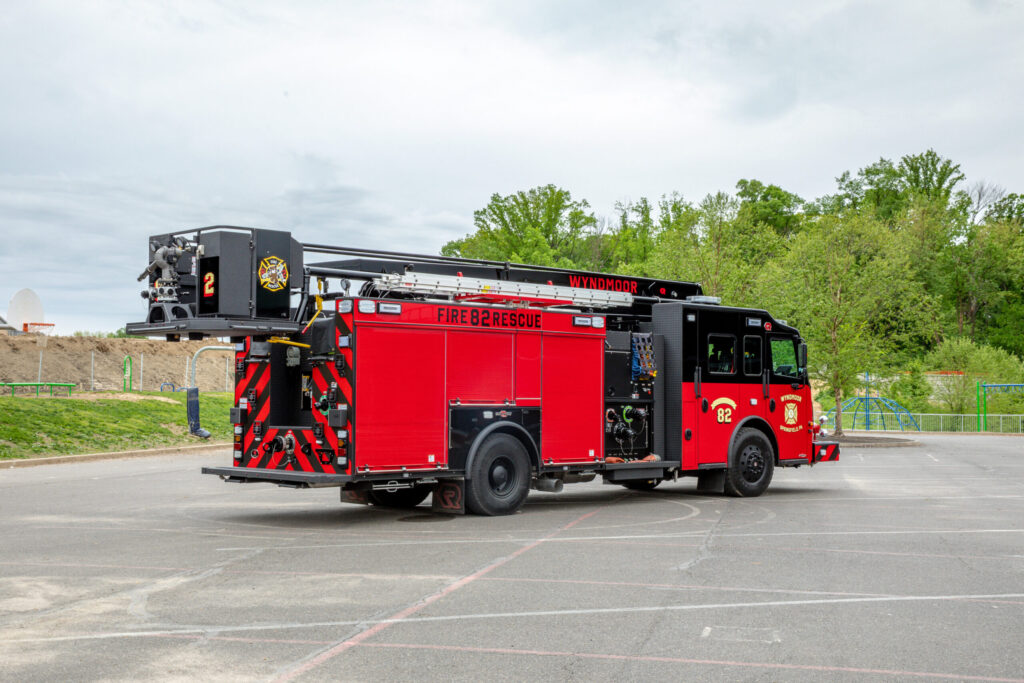
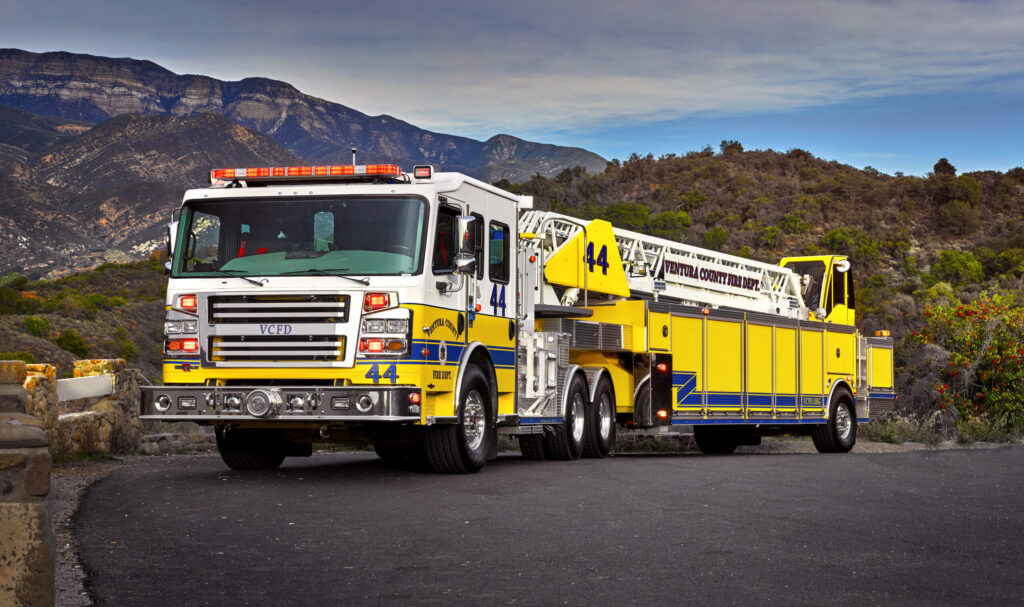
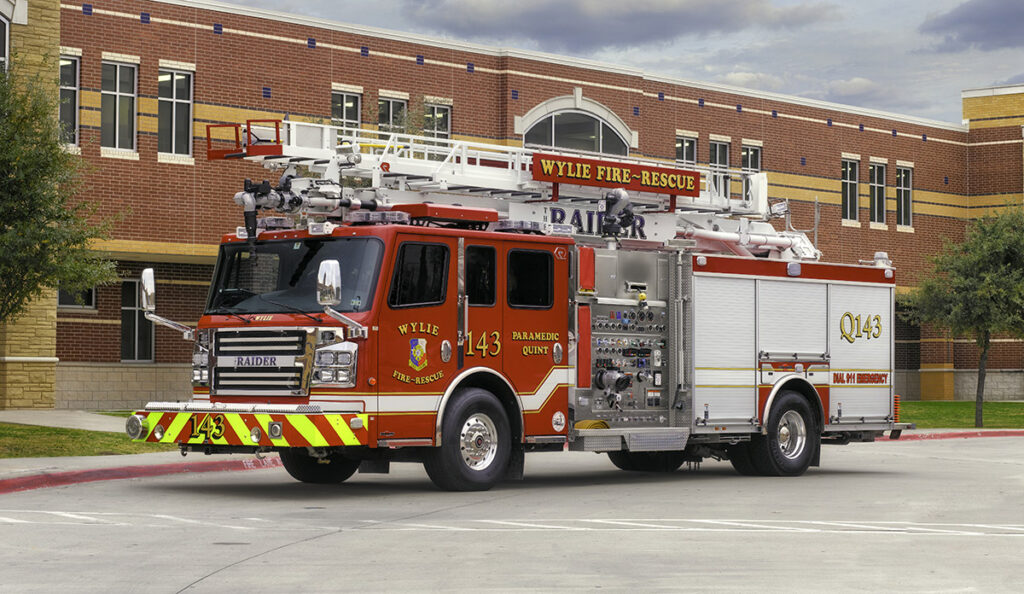
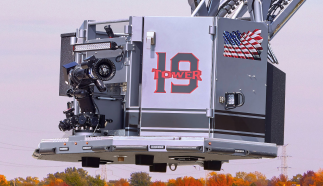
The straight aerial ladder — rear-mount, mid-mount or tractor-drawn, as a quint with a pump or as a dedicated aerial with no pump. Dependable telescoping reach from 60 to 125 feet.
Straight sticks, ladder platforms and articulating platforms from 55 to 125 feet — every one driven by Rosenbauer SMART Aerial controls and built on the crash-tested Commander custom chassis. Backed by local Heiman service.
Rosenbauer builds the full range of aerial apparatus — the straight-stick Viper ladder, the Cobra ladder platforms, the articulating King Cobra, T-Rex and 55 ACP platforms, and the compact single-axle Raptor tactical ladder.
Every device runs Rosenbauer SMART Aerial controls and rides on the crash-tested Commander custom chassis — sized for the crew and the tight streets an aerial has to work. How those controls handle, and how the aerial is built, are what set it apart — both are below.
Tell us your target building heights, your streets and whether you want a quint. Heiman will match the device — ladder, platform or articulating — and back it locally.
Request a quoteFrom a 55-ft articulating platform for tight alleys to a 125-ft straight stick, a tractor-drawn tiller and a dedicated water tower — pick the reach, the type and the footprint your district needs.
60–125 ft · tip 500/750 lb · waterway to 1,500 GPM
The straight aerial ladder — rear-mount, mid-mount or tractor-drawn, as a quint with a pump or as a dedicated aerial with no pump. Dependable telescoping reach from 60 to 125 feet.
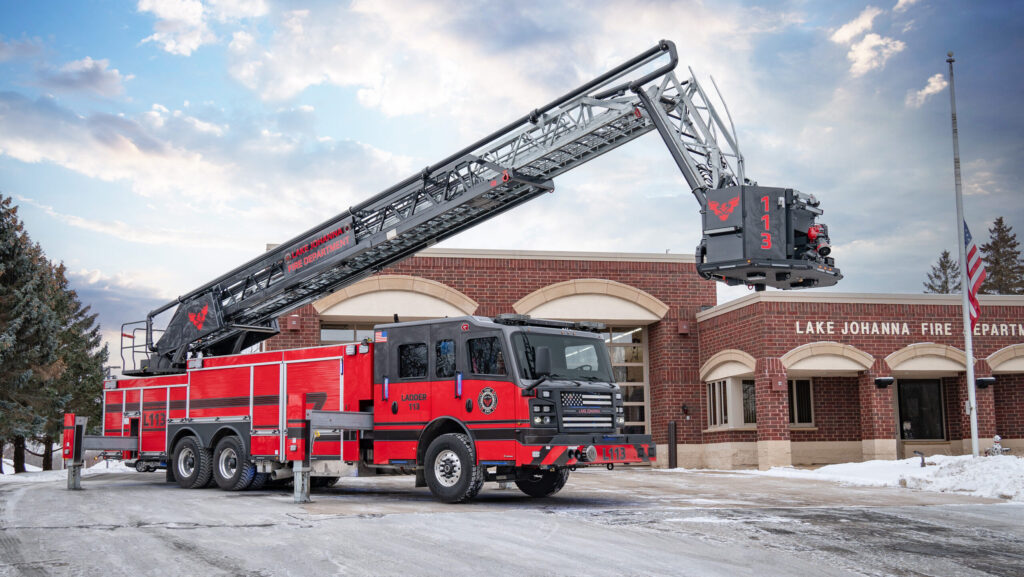
75–104 ft · 1,000 lb platform · pump to 2,000 GPM
Ladder platforms in rear-mount (to 104 ft) and mid-mount (from 75 ft) — a 1,000 lb platform, −12° below grade, and a lower mid-mount profile for overhead clearance.
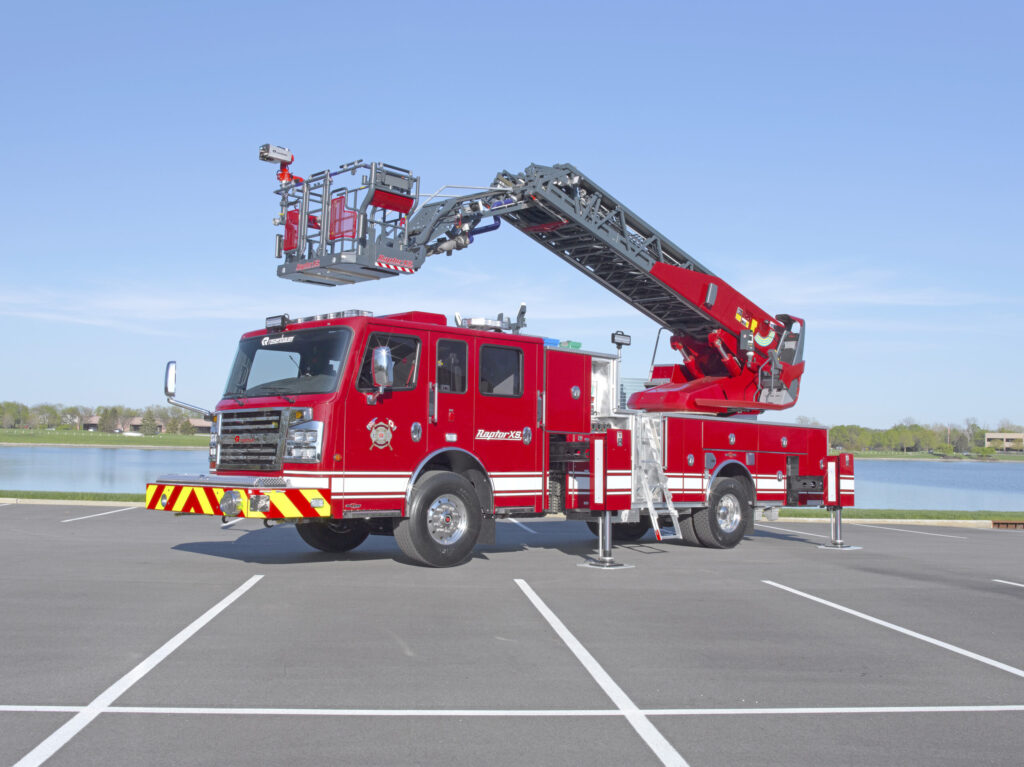
101 ft up · 94 ft out · 20 ft below grade · 1,500 GPM
A three-section articulating platform with an 8-ft jib that clears parapet walls, reaches 20 feet below grade, and gives ground-level basket entry.
102 ft up · 87 ft out · single-axle · jacks set in 20 sec
The most maneuverable single-axle 102-ft ladder on the market — H-style jacks that set in 20 seconds, 22° below-grade rescue, and a 46° cramp angle for tight urban work.
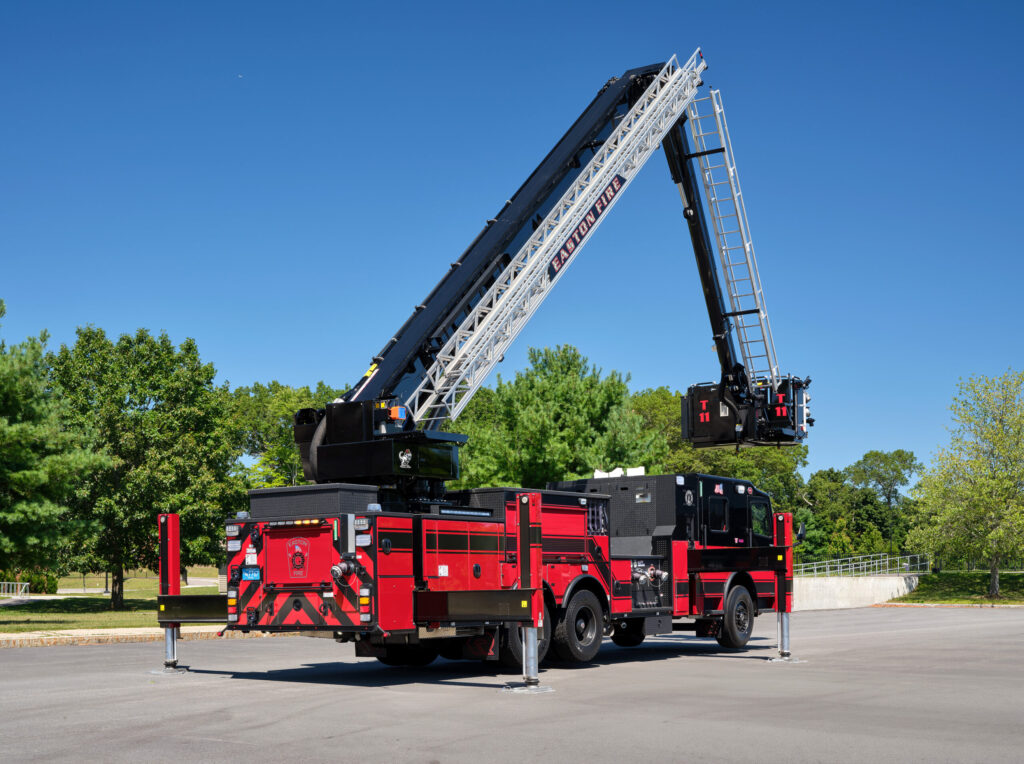
115 ft up · 102 ft out · 1,400 lb platform · to 2,000 GPM
The fastest, most powerful articulating platform — an 18-ft up-and-over jib, a five-person 1,400 lb platform, and set-up to full height with 90° rotation in under 95 seconds.
55 ft · 750 lb platform · waterway to 1,250 GPM
A compact articulating platform for the tightest streets and alleys — an 11′9″ jack spread, up-and-over reach and a low master stream, configurable as a quint, engine or rescue.
100 ft · 500 lb tip · waterway to 1,250 GPM · 300 gal tank
The Viper straight aerial on a tractor-drawn tiller — the only tiller available with a full aerial waterway. A separate steerable tiller cab wraps into tight city blocks, 115′ of ground-ladder storage backs an ISO complement, and auto-bedding plus 360° operation even on the short jacked side keep set-ups fast and safe.
68 ft boom · 500 lb tip · −10° to 80° · 1,250–1,500 GPM
A true multi-purpose rig — the firepower of a full pumper combined with the reach of an aerial. The 68′ boom out-reaches comparable water towers (most top out at 50–65′) and sweeps from −10° below grade to 80° up, with a high-output nozzle that throws 180° side to side. Its 500 lb tip lets firefighters climb, and it’s built on a custom or commercial chassis with a range of tank sizes plus foam and industrial options.
Every Rosenbauer aerial at its maximum vertical reach, drawn to scale. Grid lines mark building stories at ~10 ft each — a fast way to see which device gets to your tallest response targets.
Representative maximum vertical reach from Rosenbauer literature; ranges show the shortest available build. Story markers (“fl”) assume ~10 ft/floor for scale only.
| Model | Type | Reach | Platform / tip | Waterway | Notable |
|---|---|---|---|---|---|
| Viper | Straight ladder | 60–125 ft | 500 / 750 lb tip | to 1,500 GPM | Rear, mid or tractor-drawn |
| Cobra | Ladder platform | 75–104 ft | 1,000 lb platform | pump to 2,000 GPM | Rear & mid-mount |
| King Cobra | Articulating platform | 101 ft / 94 ft out | 500 lb tip | 1,500 GPM | 8-ft jib · 20 ft below grade |
| Raptor | Tactical ladder | 102 ft / 87 ft out | to 1,000 lb | to 1,000 GPM | Single-axle · jacks in 20 sec |
| T-Rex | Articulating platform | 115 ft / 102 ft out | 1,400 lb platform | to 1,500 GPM | 18-ft up-and-over jib |
| 55 ACP | Articulating platform | 55 ft | 750 lb platform | to 1,250 GPM | 11′9″ jack spread |
| Tiller | Tractor-drawn aerial | 100 ft | 500 lb tip | to 1,250 GPM | Only tiller with full waterway · 115′ ground ladders |
| Roadrunner | Water tower | 68 ft boom | 500 lb tip | 1,250–1,500 GPM | Pumper + aerial reach · −10° to 80° |
Figures are representative maximums from Rosenbauer literature; final specs depend on the model and options you choose.
The Cobra ladder platform comes in three basket styles — pick the geometry that fits how your crews work and the buildings they work against.
The standard geometry — a 90° square basket, side-to-front, with the most usable floor and rail to work from.
Two entry doors set at 45° angled corners — which can make egress against a structure easier when you’re working tight to a building.
A square platform with telescoping handrails that lower to clear low overhead and bay-door clearances — so a height restriction doesn’t rule the platform out.
SMART Aerial controls are an advantage for anyone running the stick — but they matter most for the departments and operators who don’t run the aerial every day. That’s exactly where the safety margin grows the most.
On a conventional aerial, the smoothness — the “grace” that keeps the tip from jerking — comes from technique: hours of seat time, and it lives with the individual operator. Rosenbauer’s soft-touch single joystick and feather control valve build that grace into the machine. Auto-feathering ramps every start and stop, so every operator gets the same smooth hand — not just the veterans.
Rosenbauer America pioneered it: engineers wrote the software and built the first CAN-bus SMART aerial controls in the US. Years on, that head start still shows in how these aerials move.
Picture a firefighter with one knee on the platform, reaching for a victim. A sudden jerk — common on aerials run by a standard hydraulic valve — is dangerous. A Rosenbauer aerial feathers to a stop.

01
Electric-over-hydraulic single-joystick control — extend, rotate and elevate in one natural, one-handed motion, on every controller as standard.
Single joystick · auto-feathering
02
Set up on a tight street with 11, 12 or 13-foot outrigger placements. The CAN-bus / PLC system senses each jack’s position and lets you rotate over a short-set outrigger while staying inside a safe operating envelope.
11 / 12 / 13-ft short-set
03
The SMART Aerial knows the truck’s own profile — CAN-bus / PLC control even detects lights on the body — and automatically slows below +5° as the tip nears objects on or near the ground. Full range-of-motion protection.
CAN-bus · profile-aware
04
Hold one momentary switch and the aerial retracts, rotates and aligns itself back into the bed — no lining up, no clipping the cab. Rosenbauer is the only manufacturer that offers it (beds from within 20% extended, 20° of the bed and under 20° elevation).
One switch · only in the industry
05
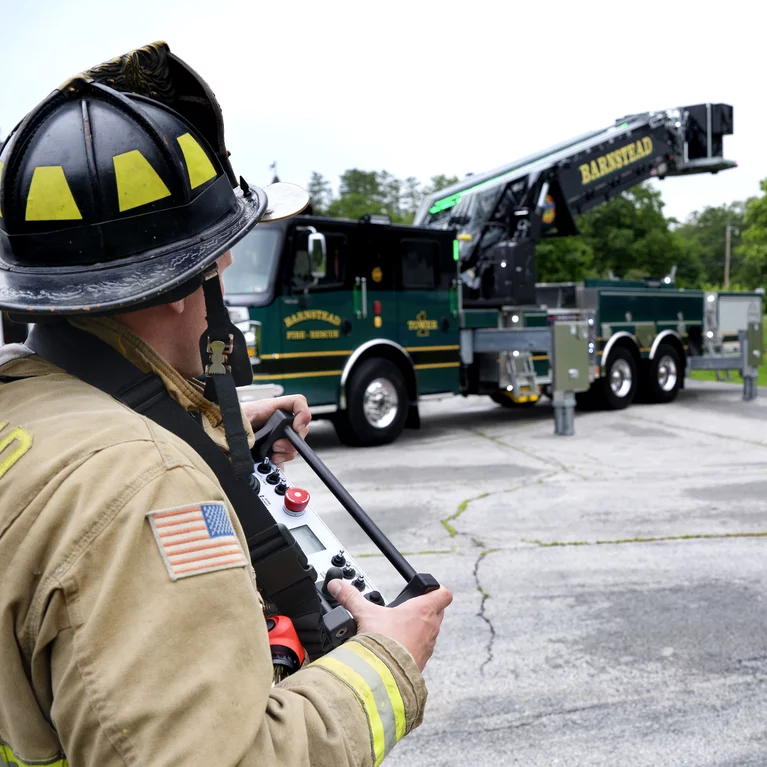
A proportional send/receive radio remote runs the aerial, monitor and (optional) outriggers at full speed with feather-soft starts and stops — up to 300 feet from the truck — and feeds information back so the operator always knows what the ladder is doing.
Proportional · to 300 ft
06
An optional single switch brings all two or four outriggers down at the same time, so the truck settles evenly and the load spreads across the axles. Available or left off, your choice.
Optional · even axle loading
07
A color touchscreen at every operating station — turntable, platform, outriggers and optional pump panel. It shows the operator exactly where the aerial is (extension, rotation, elevation and remaining reach), warns before the ladder hits the edge of its safe working range, and tracks tip load and air supply in real time. The same screen also runs the lights, operating speed, auto-bedding and the wireless remote.
Real-time data · every stationEvery station on the truck runs the Rosenbauer LCS (Logic Control System) — one consistent, color-coded operator interface across the cab, pump panel and aerial pedestal, so the controls feel the same on every rig in your fleet.
Every Rosenbauer aerial rides on the Commander custom cab-and-chassis — engineered from a clean sheet for the fire service, crash-tested well beyond NFPA, and built to work the tight streets an aerial has to reach. Assembled at Rosenbauer Motors in Wyoming, MN.
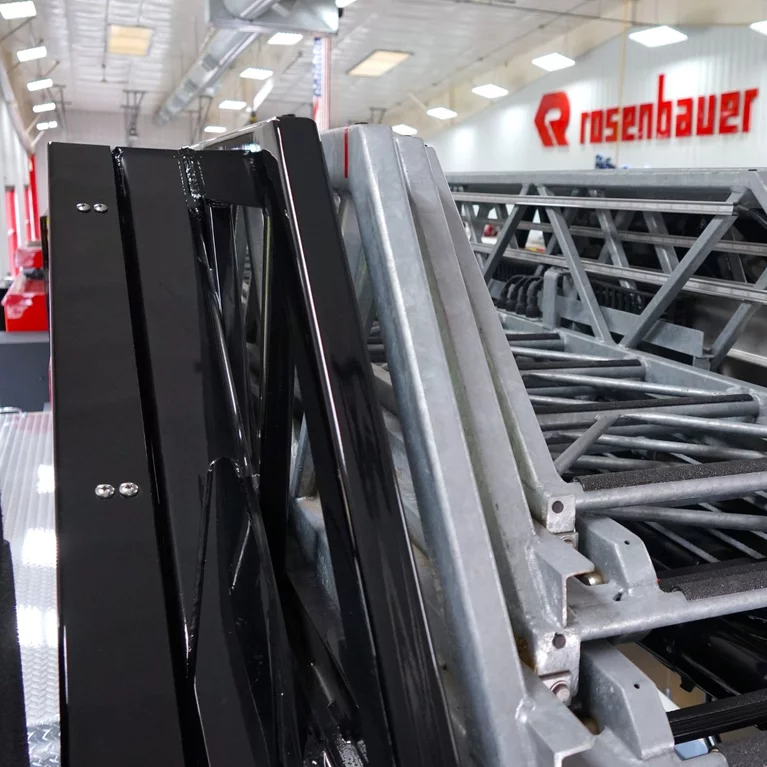
The rest of the industry is racing to make aerials lighter for the road — and pulling steel and strength out to do it. Rosenbauer went the other way and built the most heavily constructed, most thoroughly corrosion-protected aerial on the market. It isn’t close.
Take steel out of a ladder and it sways, bounces and flexes — you feel it in a crosswind, and every time a firefighter climbs on or off at full extension. A heavier Rosenbauer aerial stays planted.
Some OEMs build their aerials in aluminum to save weight. It’s lighter on the road, and it won’t corrode — we’ll give them that. But aluminum loses strength dramatically when it gets hot, and if the call needs an aerial, the fire is throwing serious heat. Aluminum is also softer than steel.
Rosenbauer builds in steel and protects it against corrosion the right way — without trading away strength. Weight on the road matters; firefighter safety matters more. And here’s the tell: the same manufacturers won’t put aluminum frame rails under their own chassis. If it isn’t strong enough for the frame, why trust it with a firefighter in the air?
Galvanizing only protects if it’s done right. The steel has to be properly stress-relieved before the hot-dip bath — skip that step and the heat of the bath can crack the parent metal right at the welds. Rosenbauer has hot-dip galvanized entire aerials this way for decades, and stands behind them with a 25-year corrosion warranty.
A heavier, proven build with fewer electronic crutches also has fewer places to fail. The industry’s race to lighter, more complex aerials has a track record of cracked structures and mid-operation faults that pull the aerial out of service. Over-building isn’t old-fashioned — it’s the whole point.
A recognized name and a distinctive cab badge carry pride, and a flagship rig looks good in the photo at the council meeting — that pull is real, and every one of us has felt it. But the premium a big brand commands — often more than a hundred thousand dollars — is buying image, not a stronger ladder, more reach, or more years in service. Strength lives in the steel and the galvanizing, not the paint or the name.
And that premium isn’t your money — it’s the city’s and the taxpayers’. Speccing the aerial that’s built heavier and galvanized end to end, backed by a 25-year corrosion warranty, for less, isn’t settling — it’s the responsible call. Put a Rosenbauer aerial next to the badge on paper, spec for spec, and let it stand on its own.
Rosenbauer builds the chassis and the aerial in two of its own U.S. facilities, then marries them into the truck you spec — one manufacturer, from the frame rails to the ladder tip.
Every Commander custom cab-and-chassis under a Rosenbauer aerial is built at the Rosenbauer Motors plant in Wyoming, Minnesota — a facility owned entirely by Rosenbauer America.
Rosenbauer Motors · Wyoming, MN
The Viper ladders, the Cobra and King Cobra platforms, the 55 ACP articulating platform, the tractor-drawn Tiller and the Roadrunner water tower are all engineered and built at Rosenbauer Aerials in Fremont, Nebraska.
Rosenbauer Aerials · Fremont, NEAn aerial is a twenty-year relationship, not a one-time sale. The best-built truck in the country still needs parts, service and someone who picks up the phone — and that’s where a lot of apparatus buyers get burned.
Our customers sit inside about an eight-hour reach of every Rosenbauer plant — chassis, body and aerials. Factory support is close by, not a country away.
The answers to these shape the whole build. Work through them with your crew — we’ll steer you to the right aerial.
Every aerial Heiman delivers is built and third-party certified to the aerial fire apparatus requirements of NFPA 1900 — the consolidated standard that now folds in NFPA 1901.
Ladder or platform third-party certified to its full rated capacity at rated reach, per the aerial chapter of the standard.
Minimum unrestricted rated tip load for an aerial ladder — Rosenbauer devices rate well beyond it, wet or dry.
Total ground-ladder footage carried on the rig, including attic, roof and extension ladders.
Weather-resistant, enclosed compartment space for the required aerial equipment complement.
Outrigger/stabilizer systems with interlocks and short-jacking capability so the device only operates when properly set.
Spec a pump, tank, and hose storage and the aerial meets quint requirements — one rig, five functions.
NFPA 1901 (Standard for Automotive Fire Apparatus) has been consolidated into the comprehensive NFPA 1900. Figures shown are the standard’s minimums for this apparatus type; Heiman and Rosenbauer build to those minimums and well beyond.
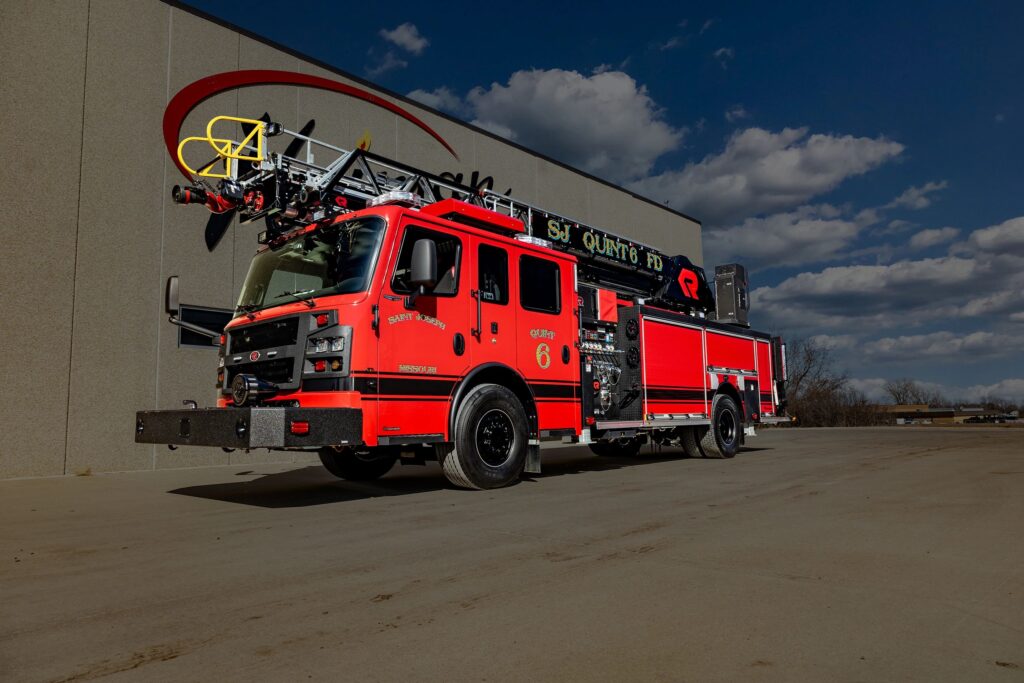
Real aerials, delivered to real departments — built and backed by Heiman.
Aerial Saint Joseph Fire Department · Saint Joseph, MO
Aerial Jackson Fire Department · Jackson, MN
Aerial Maryville Fire Dept · Maryville, MO
Tell us your target heights, your streets and your mission. We’ll match the right Rosenbauer aerial — and back it with local service.