NFPA 1901 vs. NFPA 1906: Which Standard Fits Your Next Truck?

Every apparatus spec references an NFPA standard, and two come up constantly: NFPA 1901 for automotive fire apparatus and NFPA 1906 for wildland fire apparatus. Knowing which one governs your build — and where they differ — helps your truck committee write a cleaner spec and ask sharper questions. (NFPA has been consolidating apparatus standards in recent editions, but the 1901/1906 distinction is still how the fire service talks about these rigs, and the requirements carry forward.)
NFPA 1901: the structural workhorse standard
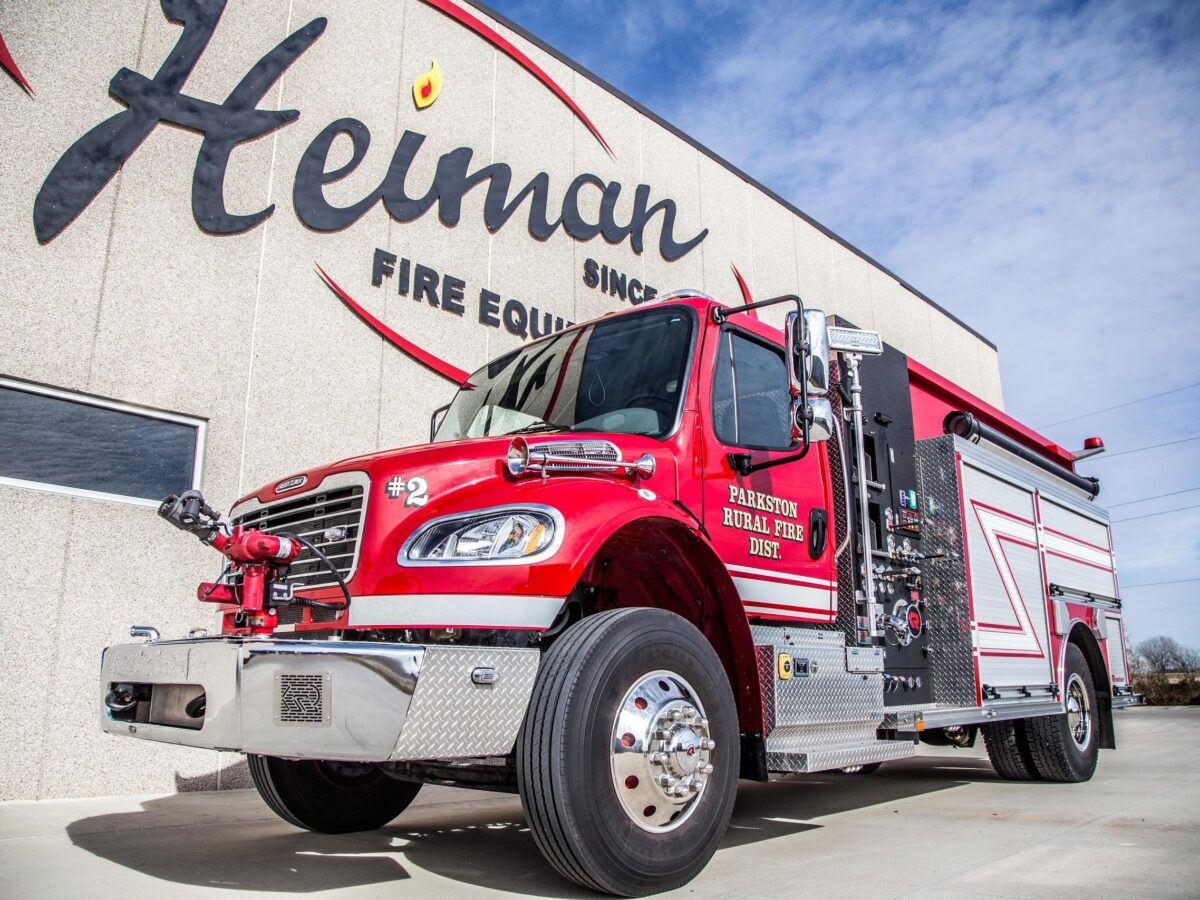
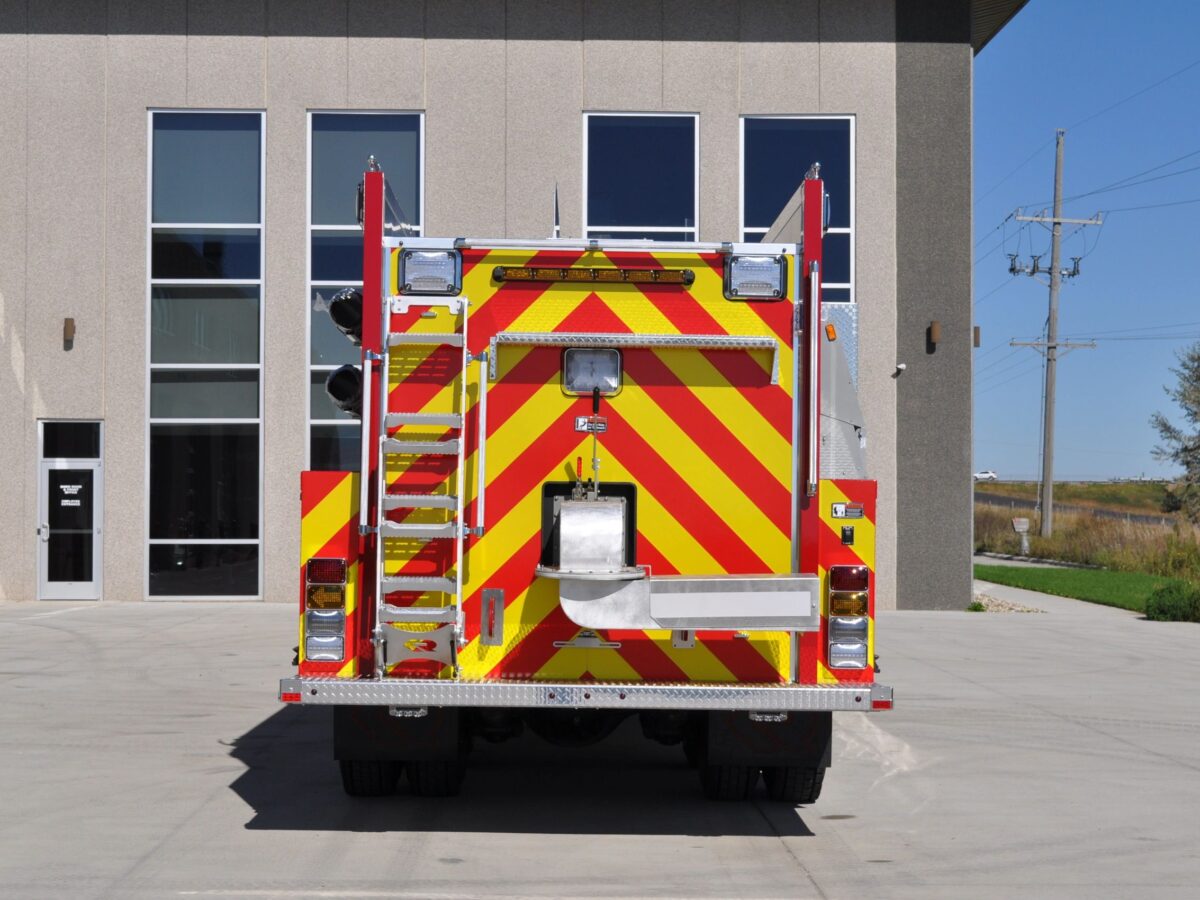
NFPA 1901 covers pumpers, tankers (mobile water supply apparatus), aerials, and rescues. It sets minimums for pump capacity, tank size, equipment storage, lighting, reflective striping, and crew safety systems. When you buy a commercial pumper with a 1250 GPM pump and 1000 gallon tank, 1901 is the yardstick the whole build is measured against.
NFPA 1906: built for the off-road fight
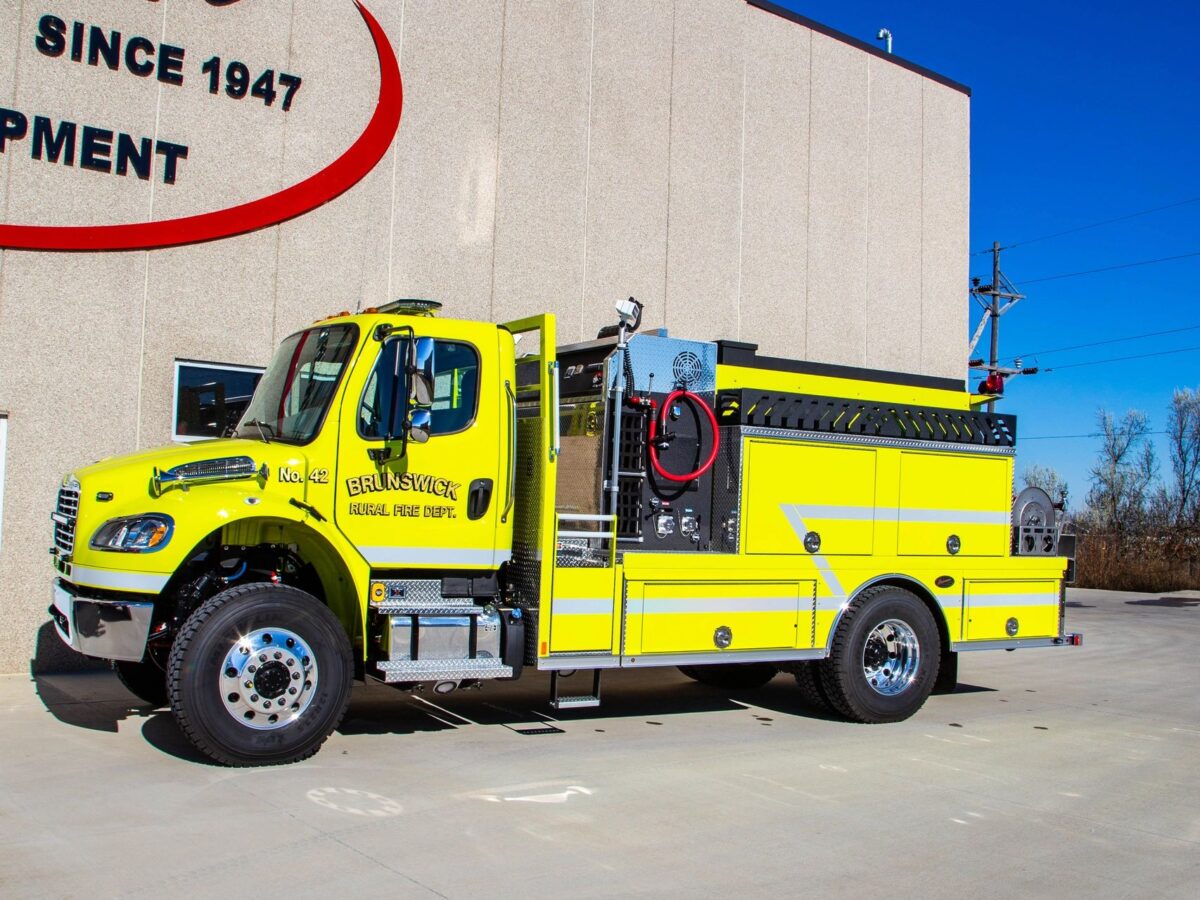
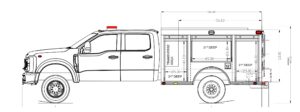
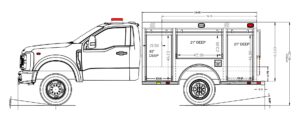
NFPA 1906 governs wildland apparatus — brush trucks, Type 5/6/7 engines, and rigs that leave the pavement. It accounts for the realities of off-road firefighting: pump-and-roll operation, higher angles of approach and departure, and crews working around a moving truck. A wildland rig built only to street-truck assumptions will disappoint you the first time it noses into a ditch line.
Why the difference matters to your committee
- Mission fit: a quick-attack that mostly runs grass fires belongs under wildland requirements, not squeezed into a structural spec.
- Insurance and ISO: your rating review will look at whether apparatus meets the applicable standard.
- Resale and mutual aid: standard-compliant trucks are easier to sell and easier to run alongside neighboring departments.
- Safety: the requirements exist because of real fireground failures. They’re the floor, not the ceiling.
You don’t have to memorize the standards
That’s your builder’s job. Heiman Fire has been building compliant structural and wildland apparatus since 1999, and we’ll walk your committee through exactly which requirements apply to your build and where it makes sense to spec above them. Bring us your questions — or check the current NFPA editions with your state fire marshal for the latest requirements.